
When you visit Shrines or Temples

(January 2026)
Japan has over 80,000 Shinto shrines and over 70,000 Buddhist temples.
This page provides tips for visiting them.
The Difference Between Shrines and Temples
Shinto shrine is “Jinja” in Japanese.
Buddhist temple is “O-te-re” or “te-ra”.
“otera” gives a softer and more polite impression than “tera.”
However, when combined with proper nouns, the pronunciation changes.
)Senso-ji temple “ji” is temple.
Kiyomizu-dera “dera” is temple.
Also, Buddhism is “Bukkyo” in Japanese.
Shrine
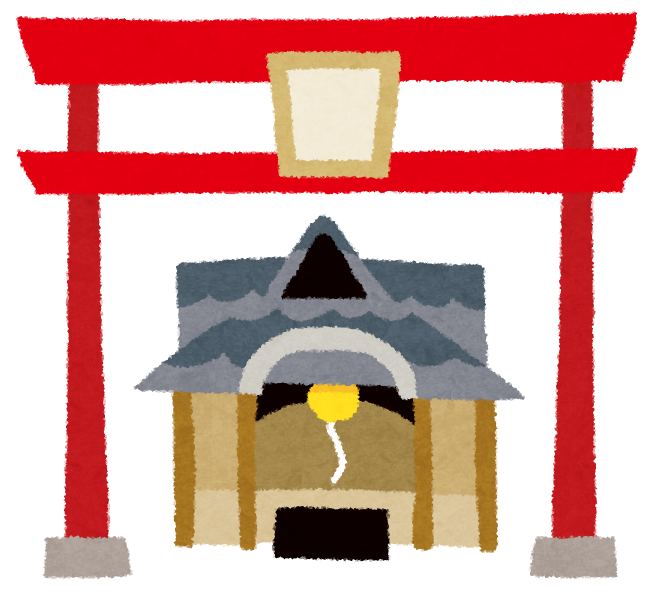
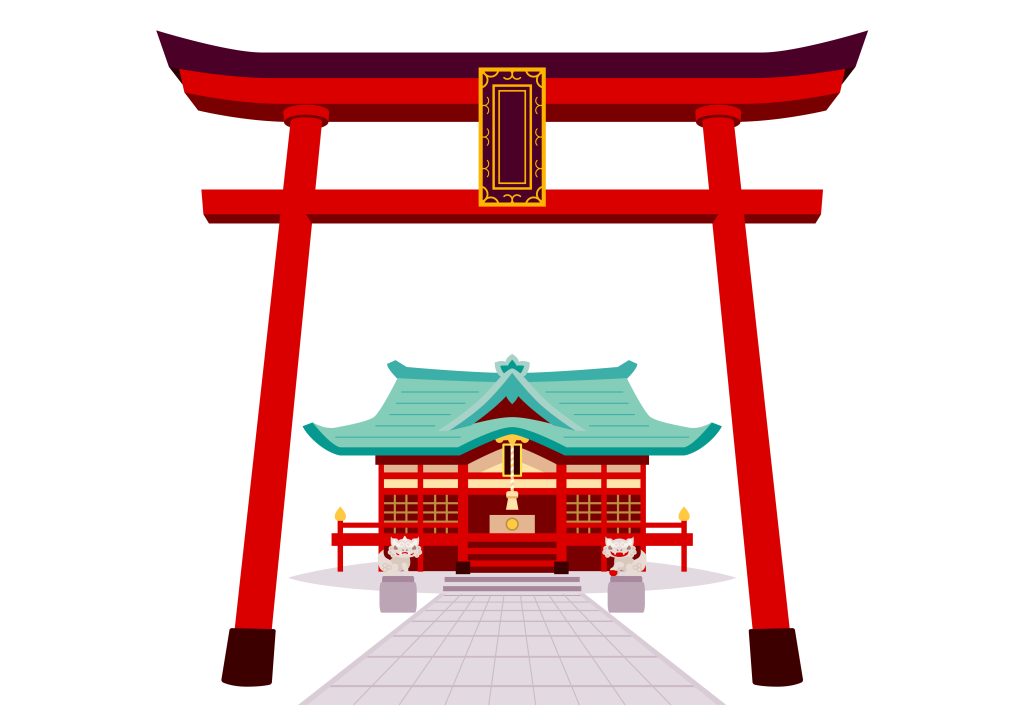
The red gate is called “torii”.
Torii gates are considered to separate the sacred realm from the human world.
Shinto shrines enshrine local guardian deities and historical figures.
Shinto is Japan’s indigenous religion and is generally a nature-based faith.
There are no established founders or scriptures.
Temple
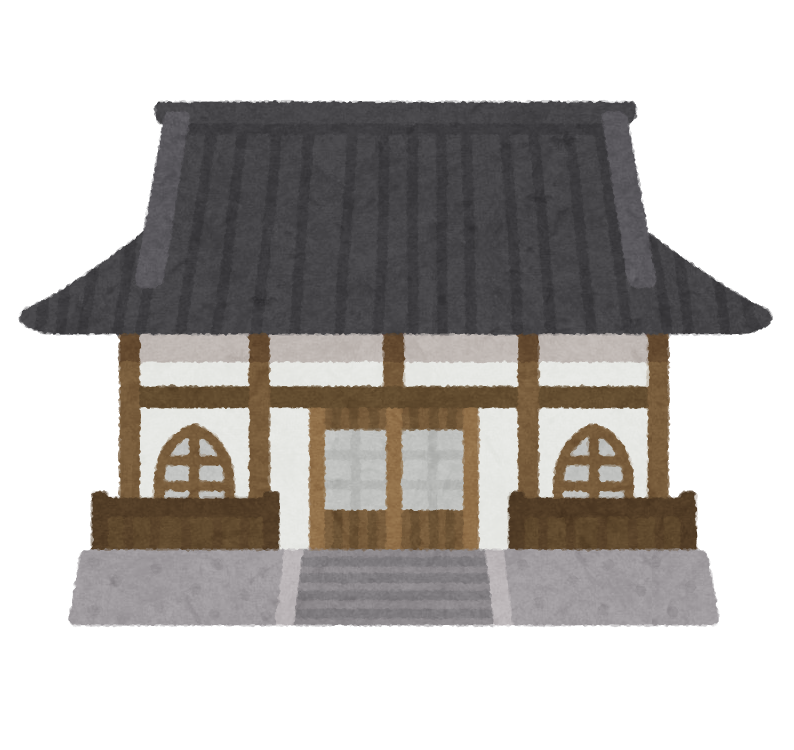
Temples were originally established for Buddhist worship and study.
The gate is called “sammon” in Japanese.
Buddhism refers to the teachings expounded by the Buddha and was introduced to Japan in the 6th century.
Common manners for both
1.Please bow before passing through the gate.
Please never step on the threshold of the temple gate.

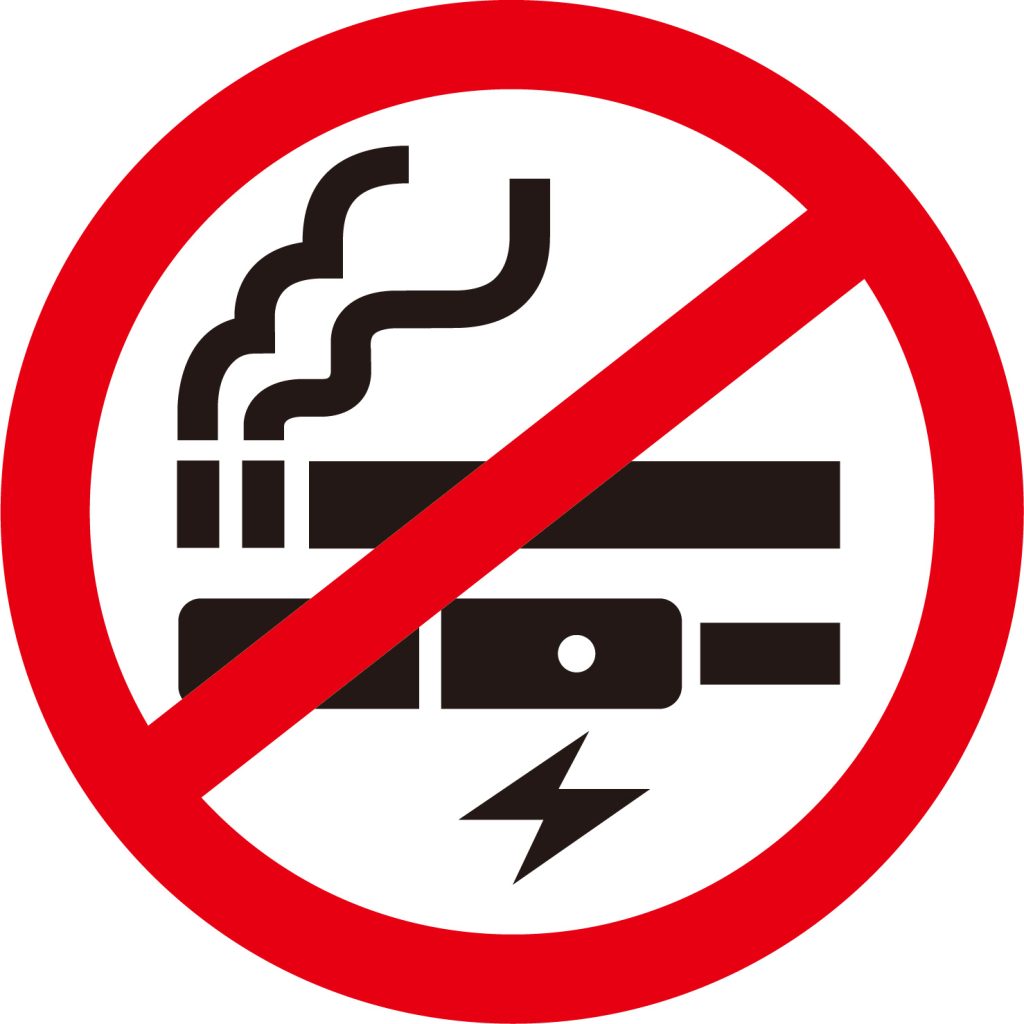
2. No smaking
Most of these facilities are non-smoking.
3. When you walk on the path
It is generally considered best to avoid walking in the middle of the path, especially at shrines.
At temples, walking on the left side is generally the norm.
At shrines, the direction of passage may be designated depending on the location.
When crossing the path in front of the building, please lower your head slightly.
4. Please be quiet.
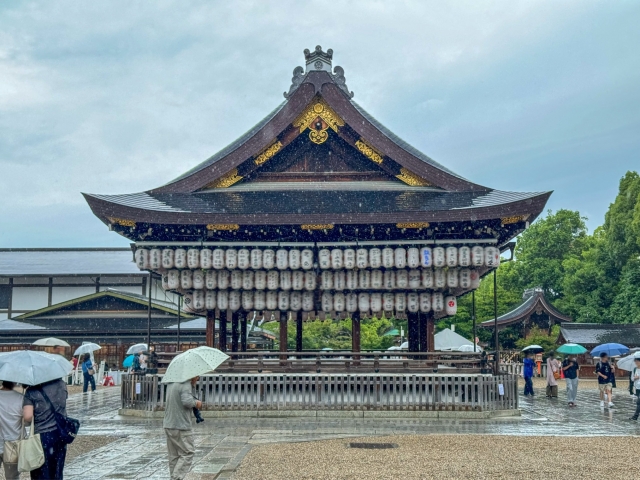
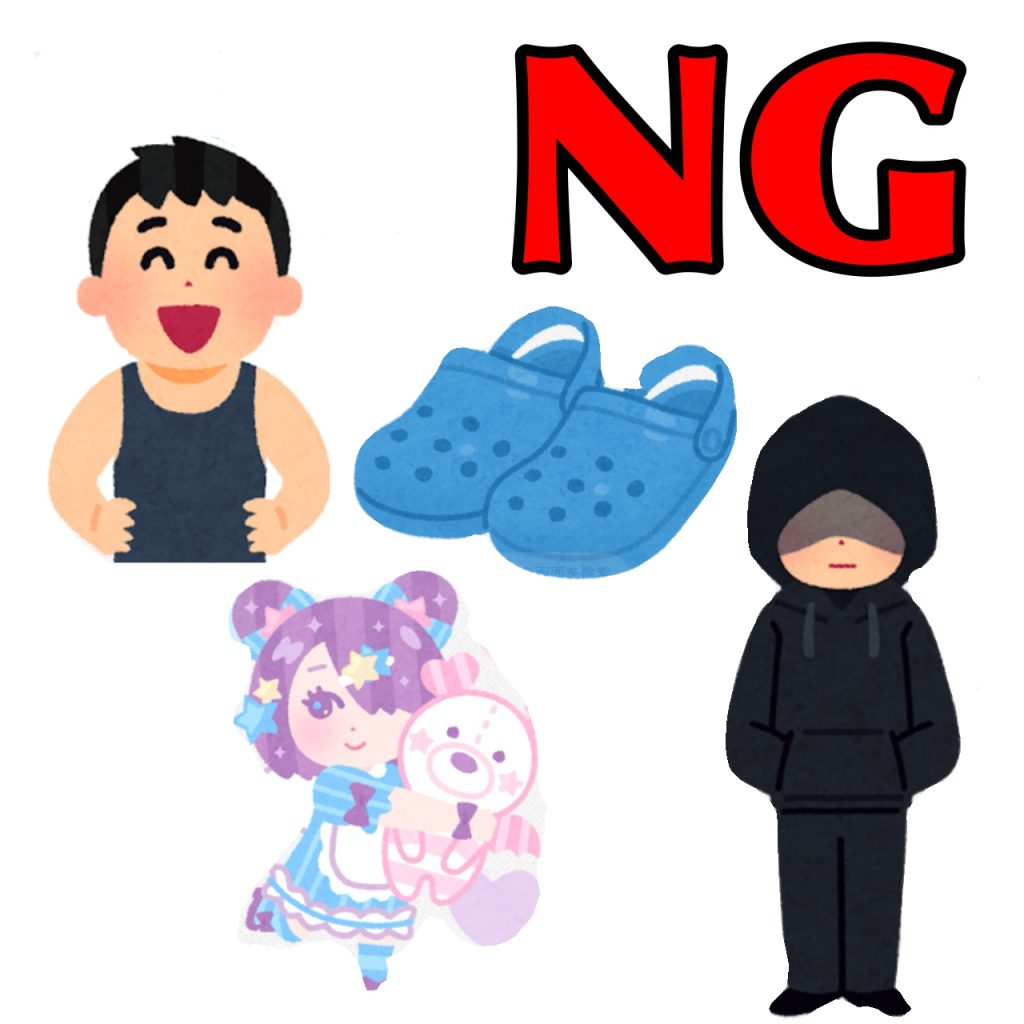
5. Clothing
Please avoid flashy clothing.
If possible, it may be advisable to remove hats and sunglasses.
Please check for detailed information.
6.Except in special cases, you may not enter the area beyond the building’s doors.
It’s best to remember not to go beyond where people are tossing coins and not to touch the building.

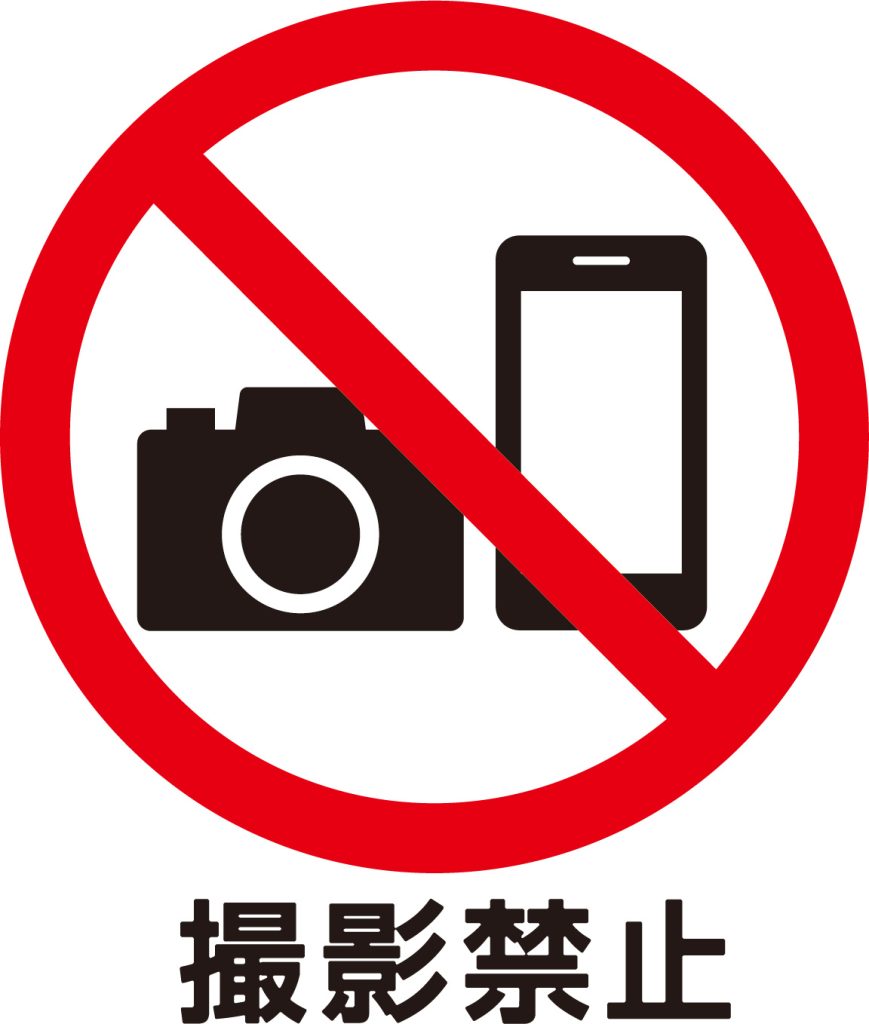
6. Photography may be prohibited in some areas.
I’ll teach you the general rules.
-Do not photograph people working there without permission.
-Please refrain from taking photographs during prayers or ceremonies.
-Do not use equipment, including tripods, without permission.
-Do not take photos in the middle of the path.
-Please be considerate of other visitors and avoid causing them any inconvenience. Also, please respect their privacy.
If you’re unsure, we recommend not taking the photo.
Additionally, live streaming may be restricted, and photography may be completely prohibited in some cases.
Please check the rules at each shrine and temple.
7. No eating or drinking
Generally, eating and drinking are not permitted at shrines.
What visitors do
The following actions are primarily intended as a sign of courtesy and respect.
However, if you are unable to do so for your own religious reasons, you may quietly observe unless the facility objects.
・shrine
After visitors pass through the gate, they proceed to a place called Chōzuya to purify themselves.(手水舎 The pronunciation of “Chozuya” varies by region and shrine.
temizuya, temizusha, chozusha…)
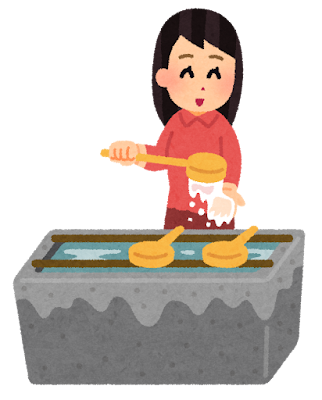
This is the Chozuya
-How to use Chozuya
1.Hold the ladle(hishaku) in your right hand.
2.Scoop water with the ladle. Since you can only scoop once, be mindful of the amount.
3.Pour water into your left hand.(Ensure that the water you pour does not enter the water basin.)
4.Switch the ladle to your left hand and pour water into your right hand.
5.Switch the ladle to your right hand and fill your left hand with water. Use that water to rinse your mouth. Cover your mouth with your left hand.
6.Spit the water you’ve taken into your mouth gently into the drain or onto the gravel.
(Never put your mouth on the ladle or spit water into the basin.)
7. Pour water into your left hand once more
8. (Hold the ladle upward and let the water run down the handle. Return the ladle to its original position.)
There are also flowing water-style chozuya. If there is no ladle, wash your hands there.
Notes:(Occasionally, certain actions such as rinsing the mouth may be omitted.
These are due to reasons such as the absence of a hand-washing basin to begin with, hygiene concerns, or the use of alternative methods. The impact of COVID-19 is also a factor.)
Example by Jinja Honcho (the Association of Shinto Shrines)
https://www.youtube.com/watch?v=FU0j3LONxpg
-what prayers do
1.Go to the offering box
2.Bow twice
3.Place hands together in front of the chest
4.Move your right hand slightly downward.
5.Clap twice
6.Pray
7.Bow
Some shrines have different ways of worshiping.
Sometimes actions such as inserting coins or ringing bells are added to this.
For more details, check out the video.
https://www.youtube.com/watch?v=2f8eIKVNb5w&t=184s
Incidentally, those who pray do so with feelings of gratitude, for the safety of their families, or to express their resolve.
・temple
1.Don’t make a sound
2.Use a Chozuya
3.Go to the offering box
4.Quietly insert the coin
5.Bow with hands pressed together
6.Pray
7.Bow
There are also differences depending on the sect.
-I recommend visiting both shrines and temples between 9:00 AM and 4:00 PM.